A pizza oven is built to cook with serious heat. Unlike a conventional kitchen oven, it can reach the high temperatures needed for fast cooking, crisp bases, airy crusts and lightly charred edges. This intense heat helps dough rise quickly, melts cheese without drying it out and gives the crust color before the toppings become soggy.
Learning how to use a pizza oven can feel intimidating at first. Dough might stick to the peel, the base can burn before the top cooks, or a pizza can go from perfect to overdone in seconds. These are all common beginner mistakes when cooking at such high temperatures.
Once you understand the basics of preparation, temperature, timing and placement, pizza ovens become much easier to use. This guide covers setting up your oven, cooking your first pizzas, choosing useful accessories, avoiding common mistakes and getting more from high-heat cooking. Before you begin, have your dough and toppings ready, or read Gozney’s guide on how to make homemade pizza.

Setting Up Your New Pizza Oven
Correct setup is one of the easiest ways to get better results from your pizza oven, especially when you’re just starting out. Pizza ovens cook at high temperatures, so safe positioning, airflow and workspace all matter. Place your oven on a stable, heat-resistant surface with enough room around it to move comfortably. Good ventilation is essential, especially for wood-fired ovens, as the flame needs steady airflow to burn cleanly. It also helps reduce smoke build-up and makes the cooking process safer and more enjoyable.
Plan Your Cooking Space
Before you start cooking, think about the route your pizza will take. The ideal setup should move naturally from preparation to launch, then cook and finally serving. Keep your dough, toppings, flour or semolina, pizza peel, turning peel, gloves and serving board within easy reach. Pizza cooks quickly in a high-heat oven, so having everything close by reduces the risk of overcooking while you search for a tool or ingredient. A cramped workspace can also lead to rushed launches, dropped pizzas or uneven cooking.
Prepare Your Fuel Source
Your fuel setup depends on the type of oven you’re using. For gas ovens, check that the connection is secure, the flame is steady and the oven is heating evenly. For electric ovens, follow the model guidance and make sure the power source is suitable. For combi-fuel ovens, use the correct fuel for your cook and give the oven time to adjust between fuel types. A compact pizza oven can be a practical choice if you want strong performance in a smaller cooking space.
Preheat the Air and Stone
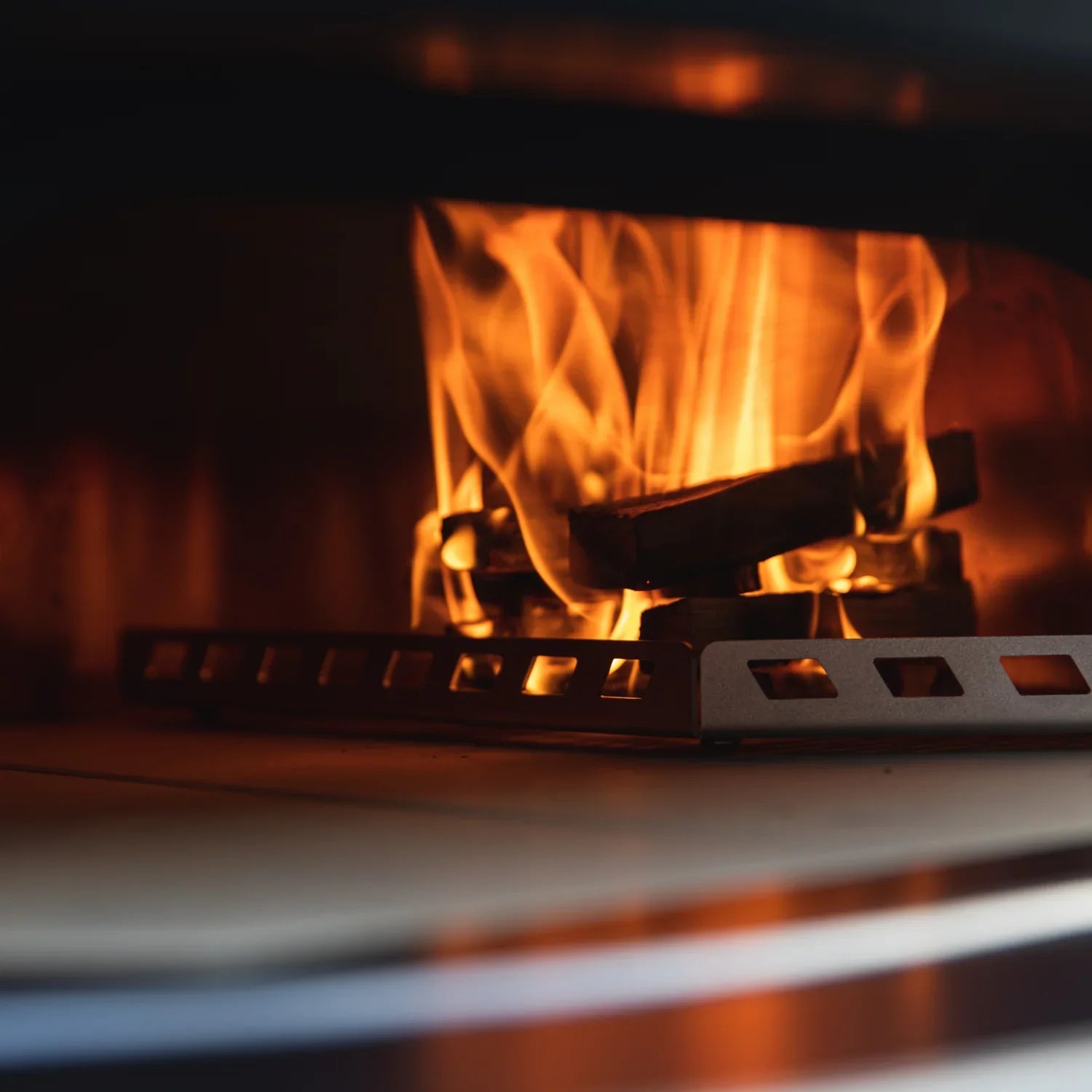
Good preparation in pizza oven cooking starts with preheating. Your oven needs to heat both the air and the stone cooking surface, which can take upwards of 30 minutes. If the stone is underheated, dough can stick, bases may stay soft and toppings may cook before the crust is ready. Stabilising the oven at the right temperature helps improve cooking time, crust texture and cheese melt.

A Step-By-Step Guide To Cooking Pizza In Your Pizza Oven
The heart of cooking pizza in a pizza oven is time management. In a high-heat pizza oven, you’re not waiting 12 to 15 minutes like you might in a conventional oven. Depending on the pizza style and temperature, the cook can be fast, sometimes around 60 to 90 seconds for Neapolitan-style pizza at very high heat, or several minutes for thicker, more heavily topped styles. That means everything needs to be ready before the dough touches the peel.
1. Setting the temperature
Start with the right temperature for the pizza you’re making. Neapolitan-style pizza usually benefits from very high heat, often around 430°C to 480°C, because the dough is soft, thin and designed to puff quickly. New York-style pizza is often cooked a little lower so the base has time to crisp while the cheese and toppings settle. Chicago-style or thicker pan-style pizzas need lower, steadier heat because the dough is deeper and the toppings need longer to cook through. Gozney’s guide to ‘How Hot is a Pizza Oven’ provides more information on the ideal temperature for different pizza styles.
2. Prepare your dough and toppings
Preparation makes the cook feel calm. Once the pizza oven is set to the right temperature and is heating up you can begin to prepare your pizza. Keep your dough at the right temperature, use toppings that are ready to cook quickly, and avoid piling on too much sauce or cheese. A pizza oven works best when heat can move through the dough and toppings quickly. Too much moisture slows everything down and can leave you with a soft center.
3. Launch with confidence
Launching feels tricky at first, but hesitation is usually what causes trouble. Build your pizza quickly, check that it moves on the peel, then launch in one smooth action. Don’t let topped dough sit on the peel for too long, because moisture from the sauce can soak into the base and make sticking more likely.
Dust the peel lightly with flour or semolina, then give it a small shake before launching. If the pizza moves freely, it is ready. If one spot sticks, lift that edge gently and add a tiny pinch more dusting flour underneath. Launch the pizza onto the stone with a confident forward-and-back motion. The cleaner and quicker the launch, the better the pizza keeps its shape.
4. Pizza positioning and finish
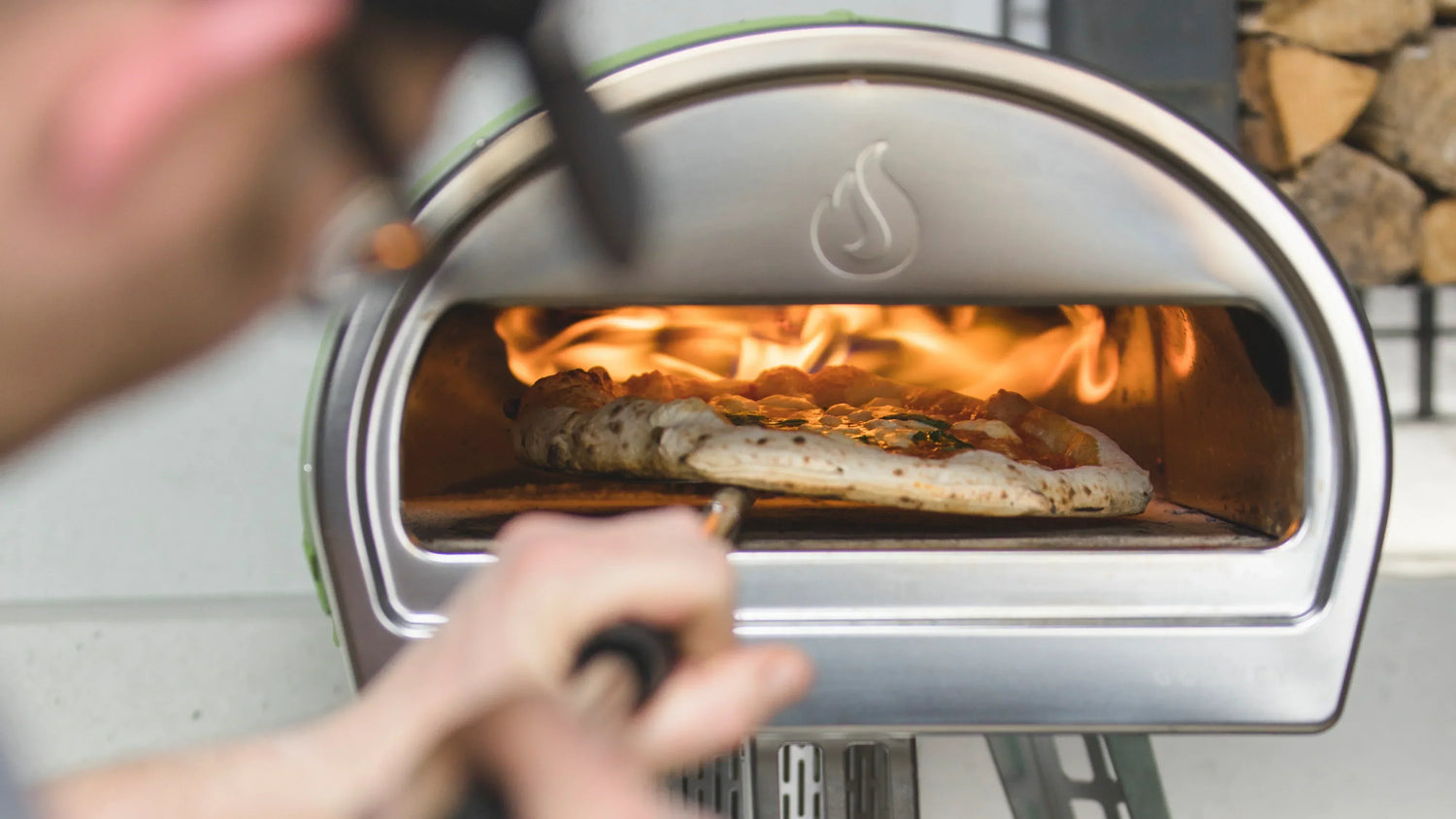
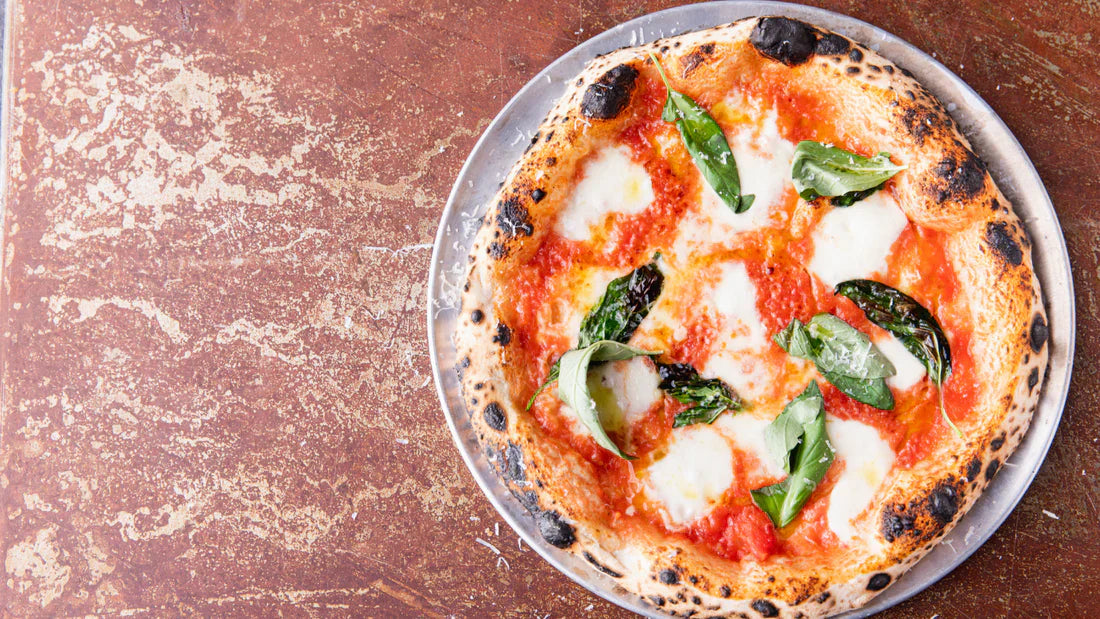
Most pizza ovens have hotter and cooler areas. Your job is to use them. Start the pizza near enough to the flame to encourage browning and crust development, but not so close that one edge burns immediately. After the first part of the cook, turn the pizza regularly with a turning peel so every side gets time facing the hottest area. When the crust is puffed, the base is spotted and crisp, and the cheese is bubbling, slide a pizza peel underneath and remove. Let it sit briefly before slicing so the cheese settles instead of sliding straight off.

Pizza Alternatives
Pizza ovens are brilliant for pizza, but stopping there would be like buying a great speaker and only playing one song. The same high heat, stone floor and live flame that create crisp crusts can also bring big flavor to plenty of other foods. Once you understand your oven’s temperature zones, you can use it for quick, flame-kissed dishes, slower roasted sides and even desserts.
Flatbreads are one of the easiest places to start. They cook quickly, they’re forgiving, and they’re a great way to practice launching and turning without worrying about sauce or toppings sliding around. You can also use the oven for pasta bakes, where the top gets bubbling and golden, or roast vegetables that pick up smoky edges and deep sweetness. Meat cuts can cook beautifully too, especially when seared in a cast-iron pan that can handle the heat. The key is to match the food to the temperature rather than forcing every dish into pizza-level heat.
Desserts are another fun option. Fruit, dough-based puddings and sweet flatbreads can all work well when the oven has dropped slightly after a pizza session. This is where the oven’s heat retention becomes useful. Instead of wasting the warmth left in the stone and dome, you can use it to cook side dishes or finish something sweet while everyone is eating.
Common Beginner Mistakes
Every new pizza oven owner makes a few mistakes. That’s part of learning to cook with high heat. The important thing is to understand what went wrong so the next pizza comes out better. Small changes, like preheating for longer or using fewer toppings, can make a huge difference.
Underheating
One of the most common mistakes is underheating the oven. Beginners often see a flame and assume the oven is ready, but the stone floor may still be too cool. This leads to pale, soft bases and dough that sticks during launch or turning. A pizza oven needs time to saturate with heat, so don’t rush the preheat. If your pizza base is soft, pale or difficult to turn, give the oven more time to heat up before the next launch and check the temperature again.
Overloading
Another common mistake is overloading the pizza. Too much sauce, cheese or wet toppings can weigh down the dough and stop the base from crisping properly. If the center is soggy, look at your toppings. A lighter hand with sauce and cheese often gives a better result than trying to recreate a takeaway-style loaded pizza.
Timing
Timing is another challenge when learning how to bake pizza in oven temperatures that are much hotter than a home kitchen oven. Raw dough becomes harder to launch the longer it sits on the peel. Top it, check it moves and launch quickly. Once it is in the oven, turn it regularly so the crust cooks evenly. A pizza can go from pale to overdone quickly, so stay close and keep your turning peel ready.
Too Much Flour
Using too much flour can also cause problems. It may help prevent sticking, but excess flour can burn on the stone and leave a bitter taste on the base. Use just enough to help the dough move.

Using Pizza Oven Accessories
Good pizza oven accessories don’t just make pizza cooking feel smoother; they help you get better results. Think of accessories as your support team. The peel gets the pizza in and out, the turning peel keeps the bake even, the thermometer helps you make better heat decisions, and gloves keep your hands protected. You do not need every tool on day one, but having the basics makes the whole process calmer and more enjoyable; especially when you’re still building confidence with launching, turning and temperature control.
Pizza Peels
A pizza peel is essential for launching and removing pizzas. Many cooks prefer a wooden peel for launching raw dough because it releases more naturally, while a metal peel is thin and useful for lifting cooked pizzas from the stone. A turning peel is smaller and round, making it easier to rotate the pizza without dragging it out of the oven every time.
Thermometer
A thermometer is another valuable tool because it helps you understand what is happening on the stone floor, not just in the air above it.
Dough Trays
Dough trays help your dough proof and keep dough balls organized, protected and ready to stretch.
Pizza Cutters
Pizza cutters make serving cleaner and easier, especially when the crust is crisp.
Heat-resistant Gloves
Heat-resistant gloves are also important, but they are not the same as normal oven gloves. Pizza ovens produce much more intense heat, and proper gloves are designed to protect your hands when handling hot tools, cast iron or oven parts.

Tips For Getting The Most Out Of Your Pizza Oven
The best way to cook pizza in a pizza oven is to prepare well, stay close and learn how your oven behaves. Every oven has its own personality. Some areas run hotter, some recover heat faster, and some need a little more time between pizzas. Once you notice those patterns, your cooking becomes much more consistent.
Use this simple checklist when you cook:
- Preheat properly so both the air and stone are hot.
- Prepare toppings before the first pizza goes in.
- Don’t overload the base with sauce, cheese or wet ingredients.
- Rotate your pizza regularly for an even bake.
- Learn where the hotter areas of your oven are.
- Give the stone recovery time between pizzas.
- Use leftover heat for sides, flatbreads or desserts.
- Experiment with foods beyond pizza.
Summary
Using a pizza oven becomes easier every time you fire it up. Once you understand preheating, launching, turning and temperature control, the process feels less like guesswork and more like cooking by instinct. Explore Gozney’s pizza ovens, accessories and cooking guides for more tools, inspiration and confidence at every stage.
FAQs
How long should I preheat my pizza oven for?
Most pizza ovens need at least 30 minutes to preheat properly, although the exact time depends on the oven, fuel type and weather. The goal is not just hot air, but a thoroughly heated stone floor. If the stone is too cool, the base may stick or cook unevenly.
How often should I turn my pizza?
Turn your pizza regularly once the base has set enough to move. In a very hot oven, this might mean making small turns every 15 to 30 seconds. The side facing the flame colors fastest, so rotation helps every part of the crust bake evenly.
Why is the bottom of my pizza burnt?
A burnt base can happen when the stone is too hot, too much flour is used, or the pizza sits too long before turning. Try using less dusting flour, launching onto a slightly cooler area, or turning sooner. If the top is undercooked but the base is burning, your heat balance may need adjusting.
Can I cook frozen pizza in my pizza oven?
Yes, but frozen pizza usually needs lower heat than fresh Neapolitan-style dough. Very high heat can burn the outside before the middle is hot. Let the oven cool slightly and watch the base closely, because frozen pizzas are often designed for conventional oven temperatures.
What other meals can I cook in my pizza oven?
You can cook flatbreads, roast vegetables, pasta bakes, meat cuts, seafood, skillet dishes and desserts. The trick is using the oven at the right stage. Cook pizza during peak heat, then use falling heat for foods that need a slower, steadier bake.
Which pizza oven should I buy?
The right oven depends on how you cook, where you cook and how much space you have. Smaller ovens are great for quick weeknight pizzas and compact outdoor areas, while larger ovens suit people who want more room, more fuel flexibility or bigger cooking sessions. A Gozney pizza oven such as the Dome Gen 2 is a strong option for cooks who want versatility beyond pizza, including roasting, baking and live-fire cooking.