Looking for pizza topping ideas that go beyond opening the fridge and hoping for the best? You’re in the right place. Whether you’re cooking at home on a quiet Friday, hosting friends, or trying to upgrade your homemade pizza night, the right pizza toppings can turn a simple base into something classic, gourmet, or completely unexpected. Pizza is one of the world’s most customisable dishes, with more than 5 billion pizzas being consumed annually worldwide.
This guide covers classic favourites, gourmet pizza toppings, spicy pizza toppings, vegetarian and vegan combinations, and practical pizza recipes you can adapt at home. A good pizza does not need to be complicated, but it does need balance. Sauce, cheese, dough, toppings, heat, and timing all work together like a small kitchen orchestra. Using quality tools, including home pizza ovens, can help you get closer to that crisp, blistered, restaurant-style finish at home.

What are Pizza Toppings?
Pizza toppings are the ingredients added on top of a pizza base, usually layered over sauce and cheese, although the exact order can change depending on the style of pizza you’re making. They can be as simple as mozzarella and basil or as bold as nduja, roasted peppers, anchovies, hot honey, and pickled chillies. At their best, toppings do more than sit on top of the dough; they shape the whole personality of the pizza. One topping might bring salt, another adds sweetness, another adds richness, and another cuts through everything with acidity or freshness. Most pizzas typically include 2–5 toppings, which helps achieve optimal cooking, better texture, and a more balanced flavour.
Think of the base as the canvas and the toppings as the colour, contrast, and texture. A tomato and mozzarella pizza feels bright and clean. A mushroom and truffle pizza feels earthy and deep. A pepperoni pizza feels salty, spicy, and comforting. That is why choosing toppings should be well considered. Even when you’re using leftovers, the goal is still to create balance between the dough, sauce, cheese, and final ingredients, so every bite tastes intentional rather than overcrowded.
Why Experiment With Pizza Toppings?
Experimenting with pizza topping ideas is one of the easiest ways to make homemade pizza feel new without learning an entirely new cooking skill. The dough might stay the same, the sauce might stay the same, and the cheese might stay the same, but changing the toppings can make the pizza taste completely different. One week you can make a classic Margherita, the next you can try prosciutto and burrata, and the week after that you can go spicy with nduja and hot honey. That flexibility is part of what makes pizza such a reliable crowd-pleaser.
There is also a practical side to experimenting. Pizza is brilliant for using leftovers, seasonal vegetables, opened jars of olives or pesto, cooked meats, and herbs that need using before they wilt. It can also help to cater to different diets too, including vegetarian, vegan, gluten-free, dairy-light, or high-protein preferences. Overall, making pizza at home gives you more control over flavour, cost, ingredients, and creativity.

Classic Pizza Toppings
Classic pizza toppings are classic for a reason; they work. Pepperoni, mozzarella, mushrooms, onions, bell peppers, tomato sauce, basil, sausage, olives, and anchovies have stayed popular because they bring balance without needing much explanation.
A good cheese pizza, for example, proves that dough, sauce, and cheese can be enough when each part is well made. A pepperoni pizza works because the pepperoni crisps at the edges, releases flavourful oil, and adds salt and spice to the mild creaminess of mozzarella. Mushrooms add earthiness, onions add sweetness when cooked, and peppers bring freshness and colour. These toppings are familiar, but that does not make them boring. When cooked properly, classic combinations can be every bit as satisfying as more gourmet options.
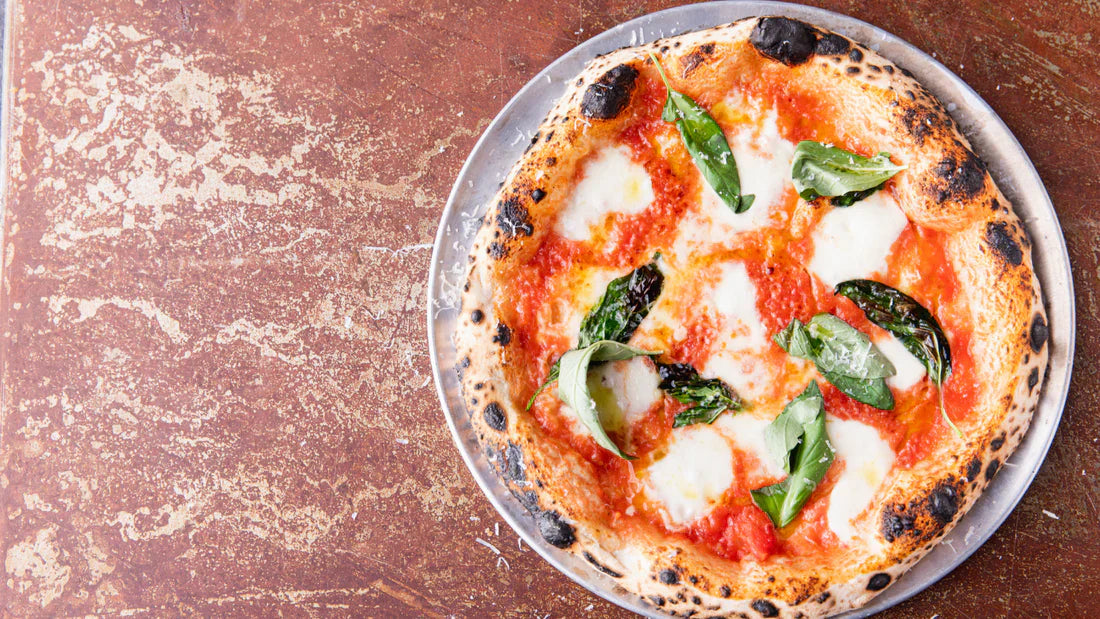
Margherita remains one of the most loved pizzas globally because it keeps things beautifully simple: tomato, mozzarella, and basil. The acidity of the tomato cuts through the cheese, the mozzarella adds creaminess, and the basil brings a fresh, aromatic lift.
Popular Classic Pizza Toppings
|
Topping |
Flavour profile |
Why it works |
|
Pepperoni |
Spicy, savoury |
Adds richness, salty depth, and crisp texture |
|
Mozzarella |
Mild, creamy |
Melts evenly and helps bind toppings together |
|
Mushrooms |
Earthy, umami-rich |
Adds depth, moisture, and savoury complexity |
|
Peppers |
Sweet, fresh |
Balances heavier meats and cheeses |
|
Basil |
Fresh, herbal |
Lifts rich cheese and tomato sauce |

Gourmet Pizza Toppings
Gourmet pizza toppings usually mean premium ingredients, restaurant-style pairings, or combinations that feel a little more considered than everyday toppings. Think prosciutto & burrata, truffle oil and mushrooms, fig and goat cheese, smoked pancetta and caramelised onion, or octopus & garlic confit. These toppings often work because they focus on contrast. Sweet fig with tangy goat cheese. Salty prosciutto with creamy burrata. Earthy mushrooms with aromatic truffle oil. Tender seafood with mellow roasted garlic.
The key difference between a gourmet pizza and an overloaded pizza is focus. Gourmet pizzas often use fewer, higher-quality ingredients. That lets each ingredient stand out and keeps the pizza from feeling heavy. Premium toppings can also raise the cost per pizza by around 20–50% compared with standard ingredients. That is why it makes sense to use them carefully. A little prosciutto, burrata, or truffle oil can go a long way when paired with the right sauce, cheese, and finishing touch.

Spicy Pizza Toppings
Spicy pizza toppings are perfect when you want heat, richness, and bold flavours. Nduja, jalapeños, chilli flakes, spicy sausage, Calabrian chillies, chilli oil, and hot honey can all add excitement to a pizza. But good spice should enhance the pizza, not bully it. A pizza that only tastes hot gets tiring after two bites. A pizza with balanced heat keeps you going back for another slice because the spice works alongside salt, fat, sweetness, and acidity. A Diavola pizza is a great example of how spicy toppings can be used with control, bringing warmth and depth without overpowering the base, sauce, and cheese.
Jalapeños are a good entry point because they usually sit around 2,500–8,000 Scoville Heat Units, giving noticeable heat without going nuclear. Nduja brings a different kind of spice because it is soft, fatty, smoky, and spreadable. Chilli flakes give you control because you can add a little before baking or sprinkle more at the table. Hot honey has become popular because it brings sweetness and heat at the same time, especially with salty meats like pepperoni or sausage. A venison pepperoni & hot honey pizza is a strong example of how sweet heat can lift a rich meat topping.

Vegetarian & Vegan Topping Ideas
The demand for vegetarian and vegan pizzas has seen a significant rise in recent years with the increase in people adopting a vegan diet and healthier lifestyle. However, vegetarian and vegan pizzas can be just as bold, rich, and satisfying as meat-based pizzas when the toppings are chosen well.
Roasted vegetables, olives, spinach, artichokes, mushrooms, vegan cheese, basil, garlic oil, and vegan-friendly pesto all bring different layers of flavour. The trick is to avoid treating vegetables as an afterthought. If they are under-seasoned or too watery, they can make the pizza bland or soggy. But when roasted, charred, salted, or paired with herbs and oils, vegetables can become the star of the pizza.
A vegan pizza can lean on roasted vegetables, plant-based cheese, tomato sauce, garlic, chilli, and fresh herbs for depth. A spinach and artichoke pizza shows how creamy, savoury, green flavours can work beautifully without needing meat. Plant-based pizzas may also be lower in saturated fat depending on the cheese, oil, and toppings used, though that depends entirely on the recipe. The main point is flavour. A good vegetarian or vegan pizza should feel complete, not like something is missing.

Unique & Creative Pizza Topping Ideas
Creative pizza is where things get playful. Once you understand balance, you can start borrowing ideas from breakfast dishes, desserts, street food, barbecue, Indian-inspired flavours, Mexican-style ingredients, or even leftovers from Sunday lunch. A breakfast pizza with egg, bacon, sauce, and cheese can feel comforting and rich. A dessert pizza with Nutella, milk chocolate, and marshmallows turns the dough into something closer to a sweet flatbread, like our s’mores pizza. A fusion pizza with BBQ chicken, red onion, coriander, and smoky sauce gives you a completely different flavour direction while still feeling familiar.
Global cuisines have had a huge influence on modern pizza topping ideas. A naan pizza is a great example of how pizza can cross over with other bread-based dishes. Tikka-style toppings, spicy paneer, garlic yoghurt sauces, kimchi, pulled pork, taco-style beef, sesame greens, and miso mushrooms can all work when used thoughtfully. The goal is not to throw random foods on dough and call it innovation. The goal is to ask, “Does this topping bring salt, sweetness, fat, heat, acid, crunch, or freshness?” If it does, it probably has a place.

Tips For The Best Pizza Topping Results
Great toppings can still disappoint if they are prepared or layered badly. Follow our 4 tips below to achieve the best pizza topping results.
- The first rule is simple: avoid overloading the pizza. Two to five toppings is usually enough, especially if you are using ingredients with strong flavours or high moisture. Too many toppings can trap steam, slow down cooking, and leave the centre soft while the crust edges cook faster. If you want a crisp base, restraint is your friend.
- Pre-cook ingredients that release a lot of water or need longer cooking. Mushrooms, raw sausage, thick-cut bacon, onions, aubergine, and some seafood usually benefit from cooking before they go on the pizza. This improves flavour and keeps the base from getting wet.
- Layering matters. Cheese under toppings can protect the dough and help toppings stick, while some delicate ingredients are better added after baking. Fresh basil, burrata, rocket, prosciutto, and finishing oils often taste better when they avoid the harshest heat.
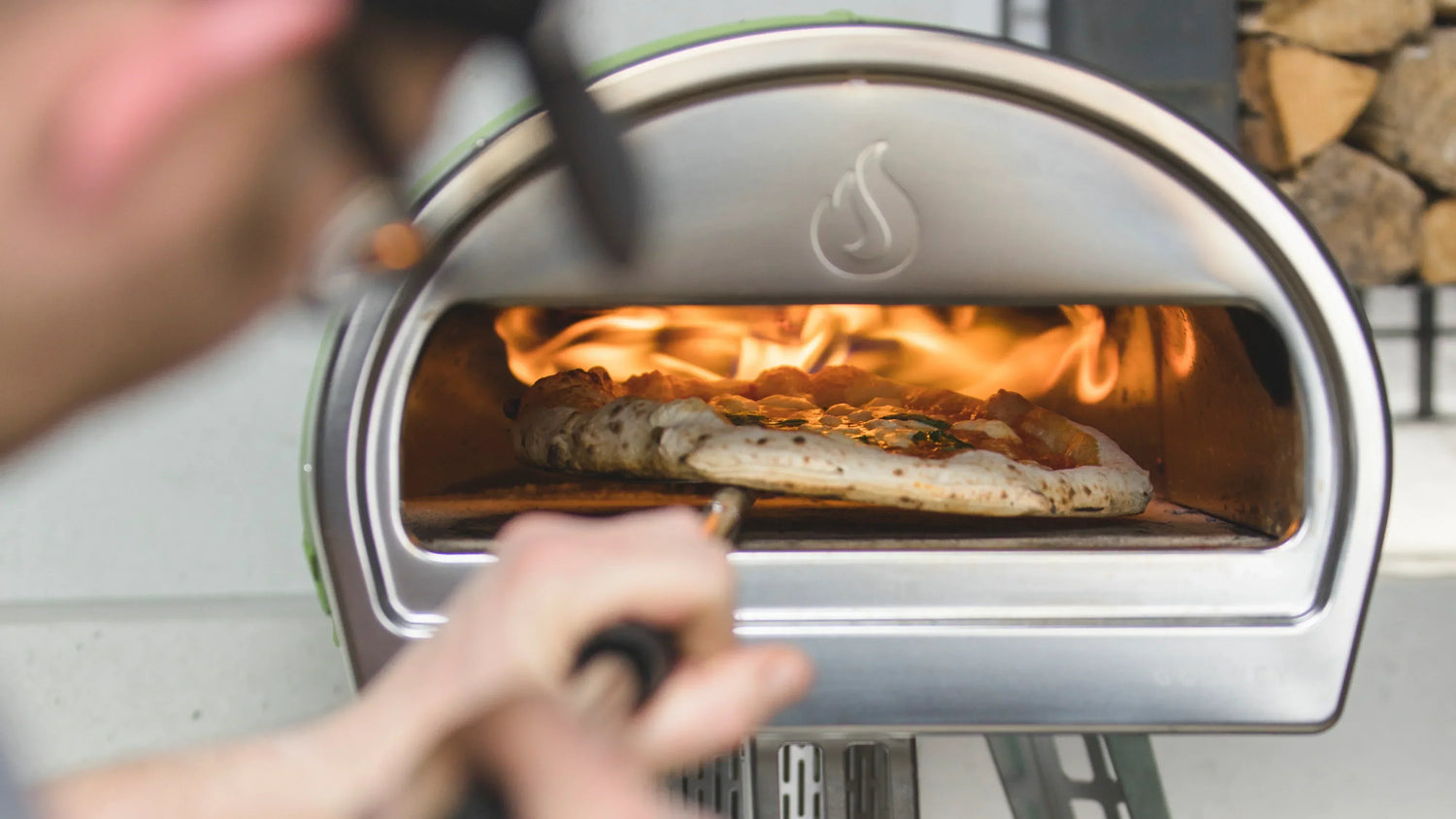
- Heat is another major factor. Home ovens typically reach around 220–250°C, while dedicated pizza ovens can exceed 400°C. Higher heat can cook dough quickly, create better browning, and help toppings char before they dry out. For more foundational technique, our how to make homemade pizza guide can help connect dough, sauce, cheese, toppings, and oven management into one clear process.
Key Takeaways
- Pizza toppings offer endless flexibility, from classic Margherita and pepperoni to creative fusion and dessert pizzas.
- Classic toppings remain popular because they balance salt, fat, sweetness, acidity, and texture.
- Gourmet pizza toppings work best when you use fewer, higher-quality ingredients with clear flavour contrast.
- Spicy pizza toppings should be balanced with creamy, sweet, or acidic elements.
- Vegetarian and vegan pizzas can be full of flavour when vegetables are roasted, seasoned, and layered well.
- Limiting toppings to 2–5 usually improves cooking, texture, and taste.
For more inspiration, explore Gozney’s pizza ovens and pizza recipes.