Pizza rolls are one of those brilliant bakes that feel fun, practical and just a bit indulgent all at once: golden dough on the outside, bubbly, melty cheese in the middle, and all the familiar flavour of pizza packed into a shareable bite. This guide will walk you through a simple, reliable pizza rolls recipe you can make at home, whether you’re cooking for a party, a kids’ dinner, a movie night or a relaxed weekend snack.
At their simplest, pizza rolls are made by spreading dough with tomato sauce, layering on mozzarella and pepperoni, rolling everything up, slicing it into portions and baking until the dough is crisp and the filling is hot. Once you understand the basic method, you can start experimenting with fillings, sauces, cheeses and finishes to suit your taste.
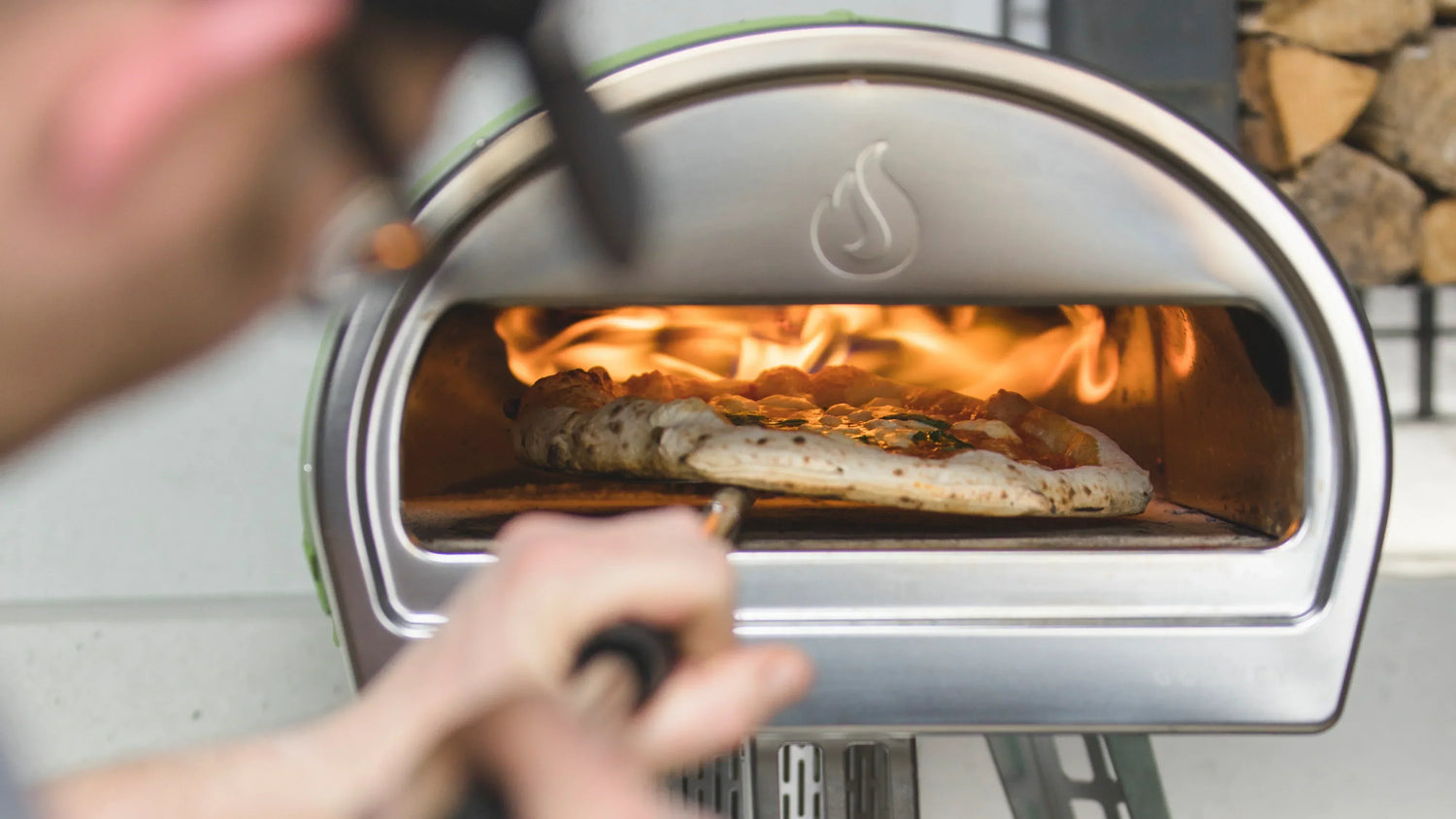
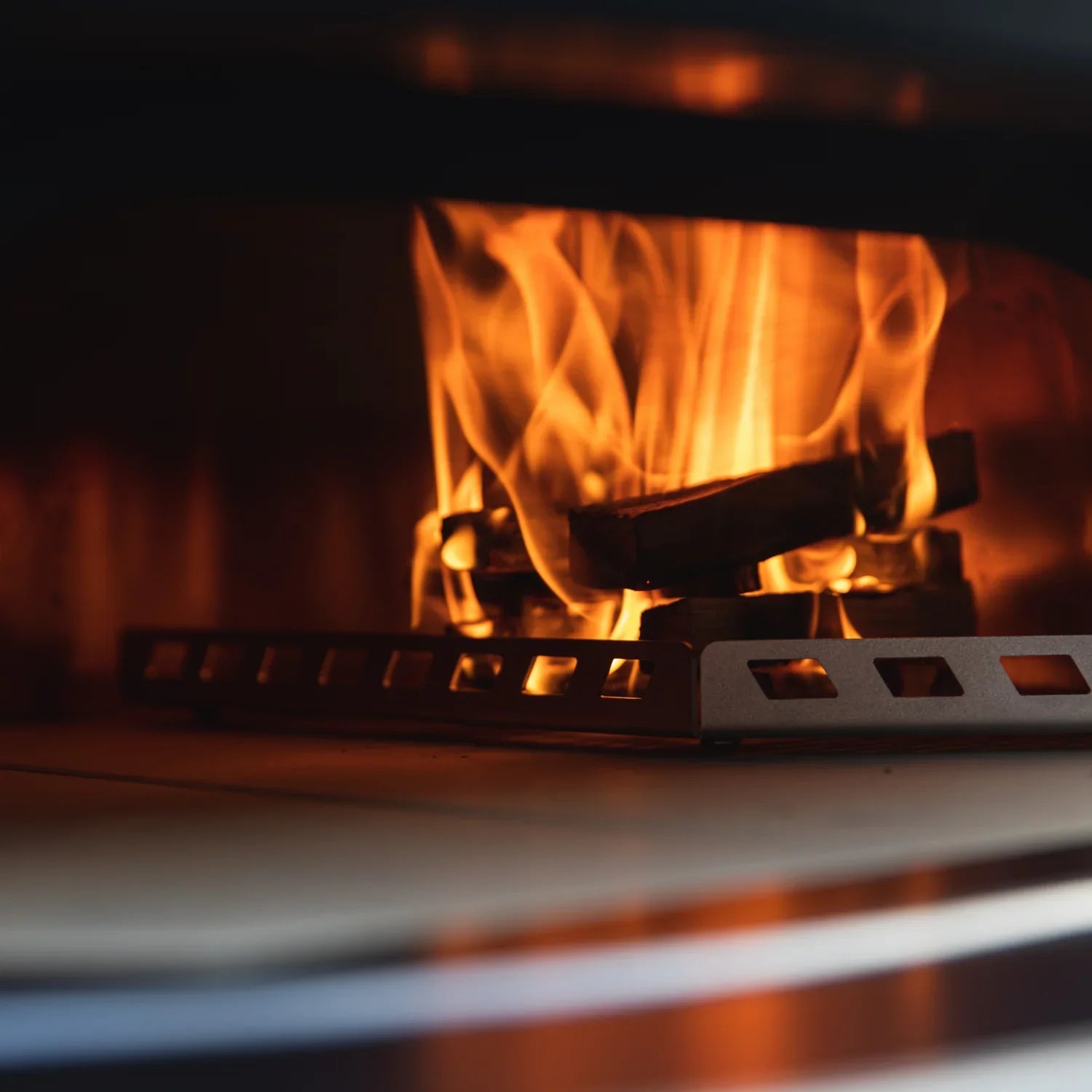
For the perfect bake, consider using a pizza oven to achieve a crisp, golden finish with richer flavour and a faster bake than you’d typically get from a traditional oven. The higher, more controlled heat helps the dough puff and brown beautifully while keeping the filling hot, melty and full of flavour.
What Is A Pizza Roll?
A pizza roll is a rolled piece of dough filled with cheese, sauce and other pizza-style ingredients, then baked until golden on the outside and melted in the center. Unlike a classic pizza, where toppings sit openly on a flat base, pizza rolls tuck everything inside the dough. That makes them easier to share, serve and dip, especially when you want something snackable rather than a full slice.
Most pizza rolls recipes follow the same basic process: roll out the dough, spread on a sauce, add cheese and fillings, roll it into a log, slice into individual pieces, then bake until crisp. They are similar in spirit to savoury swirls, such as Gozney’s pesto swirls, where dough is rolled around a flavourful filling before being baked.

How To Make Homemade Pizza Rolls
A good homemade pizza rolls recipe starts with balance. You want enough sauce, cheese and filling to make each bite satisfying, but not so much that the rolls burst open or turn soggy. Think of pizza rolls like a well-packed suitcase: everything should fit neatly, with room for the dough to seal and expand as it bakes. For a classic version, you’ll need the following ingredients:
Ingredients
- Pizza dough - You can use homemade dough if you enjoy the process, or store-bought dough if you want a faster, beginner-friendly option.
- Tomato sauce - For the sauce, choose a thick pizza sauce rather than a watery passata. A thicker sauce clings to the dough better and helps prevent the base from becoming wet during baking.
- Mozzarella - For cheese, low-moisture mozzarella is a reliable choice because it melts beautifully without releasing too much liquid.
- Pepperoni – This is an optional extra which adds a salty, smoky and lightly spicy kick to your pizza rolls.
Cooking Instructions
- To make around 12 pizza rolls, roll out roughly 450g of pizza dough into a rectangle on a lightly floured surface.
- Spread a thin layer of tomato sauce over the dough, leaving a small border around the edges.
- Sprinkle over shredded mozzarella, then add a layer of chopped pepperoni or your chosen filling.
- Roll the dough up tightly from the long edge, using steady pressure without squeezing out the filling.
- Once rolled, slice into even portions with a sharp knife or dough scraper.
- Place the rolls on a parchment-lined baking tray, leaving space between each piece so the heat can circulate. Brush the tops lightly with olive oil or garlic butter for extra colour and flavour.
- Bake at 400°C in a pizza oven for roughly 2-3 minutes. Or alternatively, if using a traditional oven, bake at 200–220°C for around 12–18 minutes. Cooking times will vary depending on the thickness of your dough and the amount of filling. The rolls are ready when the tops are golden brown, the edges feel firm, and the cheese is bubbling in the centre.
The biggest mistakes to avoid when making pizza rolls are overfilling, using sauce that is too thin and slicing the rolls unevenly. Too much filling can leak onto the tray and burn before the dough is cooked. Watery sauce can make the bottom soft instead of crisp. Uneven slices can mean some rolls bake faster than others, leaving you with a mix of undercooked centres and overly browned edges.

Why Should I Make Homemade Pizza Rolls?
Better taste and better ingredients
Homemade pizza rolls taste fresher because you control exactly what goes into them. Instead of relying on frozen or pre-prepared versions, you can use good dough, ripe tomato sauce, quality cheese and fillings that suit your palate. That fresh-from-the-oven aroma is hard to beat, especially when the cheese is bubbling and the dough has just turned golden.
Another big advantage is customisation. A homemade pizza rolls recipe can be as simple or as creative as you like. One person might want classic pepperoni, another might prefer mushrooms and peppers, while someone else may go for pesto, mozzarella and roasted garlic. When you make them yourself, everyone can build a version they actually want to eat.
Great for creating and sharing
Pizza rolls are naturally social. They work well as party food, game day snacks, after-school bites or a relaxed starter before a bigger meal. Because they are small and easy to pick up, they encourage sharing without the need for formal plating.
They are also fun to make with other people. Kids can help sprinkle cheese or choose fillings, while confident home cooks can experiment with sauces, dough hydration and flavour pairings. It turns dinner into a small kitchen project, which is often half the pleasure.
Practical and budget-friendly
Homemade pizza rolls are convenient because they can be made ahead, cooked quickly and reheated easily. You can batch-cook them and freeze extras for days when you want something satisfying without starting from scratch.
They can also be cheaper than buying premium frozen snacks, especially if you already have flour, cheese, sauce or leftover vegetables to use up. In that sense, pizza rolls are a clever way to reduce waste while still making something that feels fun and generous.
How Long Do Pizza Rolls Take To Cook In The Oven?
Pizza rolls usually take around 2-3 minutes to cook at 400°C in a pizza oven, or 12–18 minutes at 200–220°C in a traditional oven. So, if you’re wondering how long do pizza rolls go in the oven, that timing range is the best place to start. The exact bake time depends on your dough thickness, how much filling you’ve added, the size of each roll and the type of oven you’re using.
The best pizza rolls oven temp is usually 200–220°C if cooking in a traditional oven because it gives the dough enough heat to brown while allowing the filling to melt properly. If the oven is too hot, the outside can colour before the centre is cooked. If it is too low, the rolls can dry out before they become golden.
In a standard oven, place the tray in the middle rack for balanced heat. In a pizza oven, use indirect heat rather than placing the rolls too close to an intense flame. Rotate the tray during cooking so each side bakes evenly. This is especially important because pizza rolls are thicker than a flat pizza and need time for heat to reach the centre.
You’ll know they are cooked when the cheese is bubbling, the edges are crisp and the tops are golden brown. If the dough still looks pale or soft, return the tray to the oven for another couple of minutes and check again.

Pizza Roll Varieties
Explore these pizza roll variations to add variety to your next meal.
- Classic pepperoni pizza rolls are popular for a reason: they deliver salty, cheesy, tomato-rich flavour in every bite.
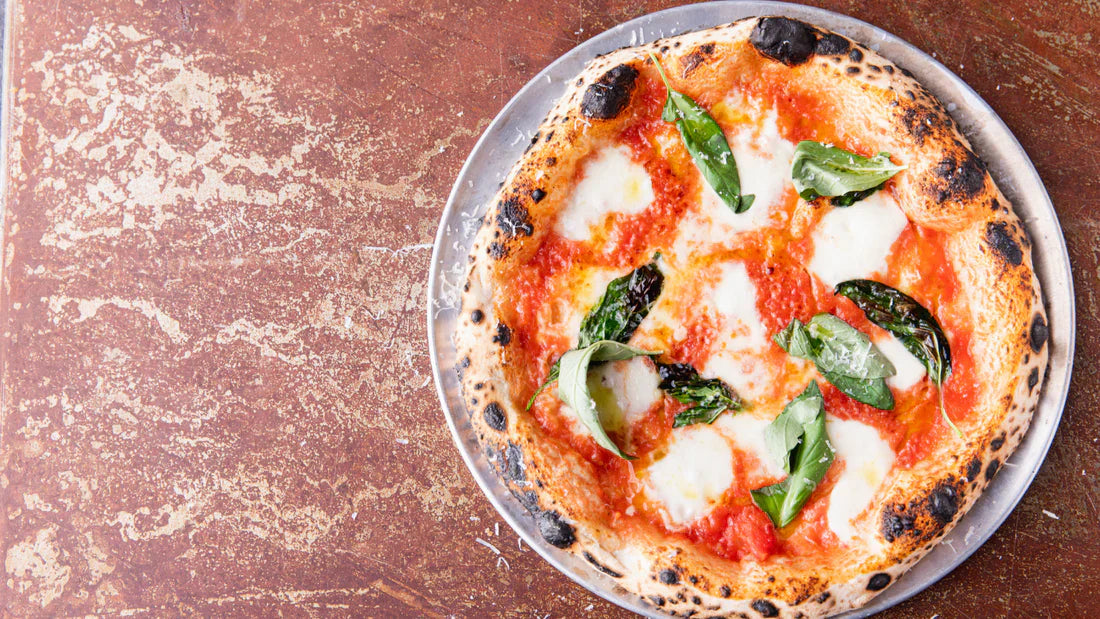
- Margherita rolls are a simpler option, made with tomato sauce, mozzarella and basil, and they work especially well when you want something lighter.
- Veggie pizza rolls can include mushrooms, peppers, olives, spinach, onions or roasted zucchini, while spicy versions can use jalapeños, hot honey or chili flakes.
- Garlic butter pizza rolls are rich and aromatic, especially when brushed again after baking.
- Pesto mozzarella rolls offer a fresh and herby alternative.
- Buffalo chicken rolls bring a tangy, spicy edge that works well with a cooling dip.
- For something more gourmet, try prosciutto, ricotta and caramelized onion, or roasted mushroom with fontina and thyme.
The key is to separate proven flavour combinations from your own experiments. Classic pairings are dependable because they balance fat, acidity, salt and texture. Original ideas can be fantastic too but start small and avoid adding too many strong ingredients at once.
How To Ensure Your Pizza Rolls Are A Success
Flavour and Texture
Great pizza rolls come down to flavour, texture and control. Start by knowing what you enjoy. Do you like a soft, bready roll with plenty of cheese, or a crispier roll with a lighter filling? Do you prefer bright tomato flavours, smoky meats, roasted vegetables or creamy cheeses? Once you know the result you want, the recipe becomes much easier to adjust.
Even Cooking
Even cooking is essential. If you’re still asking how long do pizza rolls go in the oven, remember that time is only part of the answer. Placement, rotation and filling quantity matter just as much. Bake on parchment paper, leave space between rolls and rotate the tray if one side is browning faster than the other.
Avoiding Leaks
To stop rolls from leaking, leave a border around the dough when adding sauce and fillings. Roll firmly but not aggressively, then place the seam side down where possible. Use a thick sauce, drain wet ingredients such as mushrooms or spinach, and avoid piling cheese too heavily in the centre.
Avoiding Common Mistakes
Common problems are usually easy to fix. Sticky dough needs a little flour and gentle handling. Burst rolls usually mean they were overfilled. Dry rolls may have baked too long or lacked enough sauce. Pale rolls need a little more time, while burnt bottoms can often be avoided with parchment paper and a middle-rack position when using a traditional oven.
Summary
Pizza rolls are a quick, convenient and delicious option for snack or meal, but they also give you plenty of room to be creative. You can keep them classic with tomato, mozzarella and pepperoni, make them veggie-friendly, add spice, or experiment with more gourmet fillings. They suit parties, family dinners, movie nights and relaxed weekend cooking because they are easy to share and fun to customise.
They are also a great way to get more from your pizza oven, especially when you want something different from a traditional pizza. With the right dough, a thick sauce, balanced fillings and careful baking, homemade pizza rolls can become a reliable favourite. For more cooking inspiration, tools and practical advice, visit Gozney.
FAQs
What equipment/tools do I need to make pizza rolls at home?
You’ll need a pizza oven or standard oven, as well as a range of pizza oven accessories, including a rolling pin, a mixing bowl, a baking tray, parchment paper and a sharp knife or dough scraper. A pastry brush is helpful for adding oil, garlic butter or egg wash before baking.
Can I use store-bought dough for pizza rolls?
Yes, store-bought dough is a great option, especially for beginners. It saves time and makes the process easier. Over time, you may want to make your own dough for better control over texture, flavour and fermentation, but ready-made dough works well.
Is making homemade pizza rolls difficult?
No, pizza rolls are beginner-friendly. Making dough from scratch takes practice, but using store-bought dough and sauce makes the process simple enough for families to enjoy together. Children can help add toppings and roll the dough with supervision.
What flour should I use for my pizza rolls dough?
Plain flour can work, but strong white flour is usually better for pizza dough because it has more protein. That helps create structure, chew and elasticity, making the dough easier to roll and shape.
How long does it take to prepare pizza rolls?
Active prep time is usually around 35–45 minutes. If you make dough from scratch and allow it to rest or proof, the total time can be closer to two hours. Store-bought dough and sauce make the process much quicker.
How long does it take to cook pizza rolls?
Pizza rolls usually cook in 2-3 minutes at 400°C in a pizza oven or 12–18 minutes at 200–220°C in a traditional oven. The exact timing depends on dough thickness, filling depth, roll size and oven type. Always check that the dough is cooked and the cheese is bubbling.
How do I know when the pizza rolls are ready?
Pizza rolls are ready when the tops are golden brown, the dough feels firm, the bottoms are crisp and the cheese is melted and bubbling. If the centre still looks doughy, bake for a few more minutes.
How can I prevent pizza rolls from burning?
Use parchment paper to protect the base, avoid overfilling and place the tray in the middle of the oven. Check regularly near the end of cooking, because pizza rolls can move from golden to overdone quickly.
How long do pizza rolls last?
Cooked pizza rolls usually last around 3–4 days in the fridge when stored in an airtight container. Let them cool before storing, then reheat thoroughly before serving.
Can you freeze pizza rolls?
Yes, pizza rolls can be frozen for up to two months if wrapped or covered properly. Freeze them in a single layer first, then transfer to a sealed container or freezer bag for easier storage. You can learn more about freezing pizza rolls in our guide to freezing pizza.
Can you reheat pizza rolls?
Yes, reheat pizza rolls at around 180°C for 8–12 minutes. This helps bring back some crispness while warming the filling. Avoid microwaving if you want the dough to stay firm rather than soft. Learn more about reheating pizza rolls in our guide to reheating pizza.